
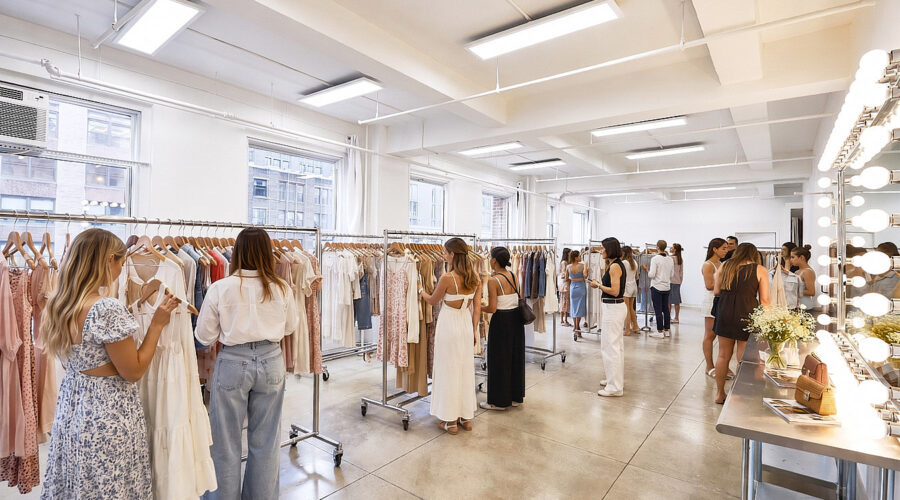
Showroom Space Checklist for First-Time Brands: What to Check Before You Book
Choosing a showroom for the first time can seem simple until you start planning where the collection will go, how buyers will move through the space, where fittings will take place, and how extra inventory will be stored. A room can look excellent in photographs and still be a poor choice once racks, mannequins, samples, tables, and visitors are inside. First-time brands should therefore judge a showroom by how well it supports the presentation’s purpose, not by appearance alone. Before you book, check the location, usable floor space, layout, lighting, display equipment, fitting area, storage, building access, amenities, total rental cost, and insurance requirements. This checklist helps you assess each of those points before committing your budget or collection to a temporary showroom.
Define What Your Brand Needs the Showroom to Accomplish
The first step is to decide what you actually need from your showroom rental. A space used for wholesale buyer appointments has different requirements from one used for a press preview, collection launch, or consumer-facing activation. If you skip this step, you may rent a space that is larger than necessary, lacks the right facilities, or has a layout that works against your appointment process. Write down your primary goal and one or two secondary goals before comparing venues. For example, your primary goal may be to present a new collection to wholesale buyers, while secondary goals could include meeting with editors and collecting product feedback. This makes it easier to judge every showroom against a clear purpose.
Buyer and Wholesale Appointments
If buyers are the main audience, the showroom needs to make product inspection and conversation easy. Buyers may want to examine fabrics, compare styles, check sizing, discuss wholesale terms, and see several pieces together before deciding which pieces interest them. The collection should therefore be visible without overcrowding the room, while a separate area should allow longer conversations without blocking other appointments.
A good buyer-focused showroom also needs a practical appointment schedule. Consider how many people will attend each meeting, how long each appointment will last, whether garments will need to be moved or fitted, and where line sheets or digital catalogs will be reviewed. The goal is to create enough separation between product presentation and business discussion that both can happen comfortably.
Press, Stylist, and Industry Appointments
Press previews and stylist appointments often require a slightly different setup. Editors and stylists may want to see the full collection quickly, photograph selected pieces, discuss the story behind a collection, or pull specific garments. The space should therefore make products easy to identify and access.
Consider whether visitors can move from one product group to another without disrupting an ongoing conversation. Clear labeling, suitable lighting, mirrors, garment racks, and a place for private discussions can make these appointments much easier to manage.
Collection Launches and Brand Presentations
A collection launch may require more than a standard rack-based display. You may want a hero product at the entrance, a central presentation area, branded signage, seating, or a small space for guests to gather. If photography or video is also part of the launch, check whether the room has sufficient space and suitable light for content creation.
Your showroom should support the collection rather than compete with it. Neutral walls, clean presentation areas, natural light, and flexible furniture can give a new brand more control over how its products appear.
Market Week, Fashion Week, or Short-Term Showroom Use
First-time brands often choose to rent temporary rental space because they need a professional location for a concentrated period rather than a permanent retail lease. This can be useful during market week, fashion week, collection launches, or a planned series of buyer appointments.
For these periods, timing becomes especially important. Confirm the exact booking dates, setup period, appointment hours, and breakdown requirements before paying. Popular fashion dates can also drive up demand, so waiting until the last minute may limit your space options.
Evaluate the Location Before You Fall in Love With the Space
A showroom’s location affects whether buyers, editors, stylists, and other guests can easily reach appointments. This matters even more in New York City, where visitors may have several meetings scheduled across Manhattan on the same day. A visually impressive showroom that requires a difficult journey can create friction before the appointment even starts. Look at the location from your guests’ perspective rather than only your own. Check nearby transportation options, walking routes, building access, and distances to places relevant to your industry. For fashion brands, being close to established fashion activity can make scheduling appointments more practical.
Is It Convenient for Buyers and Guests?
Check how visitors will reach the showroom by subway, train, taxi, rideshare, and on foot. If guests are coming from outside New York, consider how easily they can reach the area from major transportation points. For a showroom scheduled for multiple appointments in a single day, convenience can directly affect attendance. Give guests clear instructions before their appointment, including the building address, floor, entrance, elevator information, and any check-in requirements.
Does the Neighborhood Fit Your Brand?
The surrounding area can also influence how the appointment feels. A fashion label presenting a collection to buyers may benefit from proximity to other fashion businesses, showrooms, trade activity, and major event venues. Love Studios NYC operates showroom spaces at 545 8th Ave in Manhattan’s Garment District.
Is the Building Easy to Find?
A good street location is less useful if visitors cannot work out where to enter. Before booking, check the building entrance, floor number, elevator access, reception procedure, and any security requirements. Send these details to guests in advance, and make sure someone on your team knows how to host visitors. A smooth arrival sets the right tone before the first product is shown.
Check the Usable Space, Not Just the Advertised Square Footage
The number attached to a showroom’s size does not tell you how much room you will actually have for your collection. Walls, doors, columns, windows, furniture, changing areas, and walkways can reduce usable display space. Measure the room based on what you need to place inside it.
Before booking, create a basic floor plan showing where racks, tables, mannequins, seating, mirrors, fitting areas, and storage will go. Even a simple sketch can reveal that a room which appears large enough may become crowded once the collection is installed.
Measure Walls, Doors, Ceilings, and Entry Points
Record the dimensions that affect both presentation and setup. Important measurements include wall lengths, ceiling height, doorway width, elevator dimensions, and the location of power outlets. These details become particularly important if you plan to bring large racks, branded structures, display furniture, or other equipment. A fixture that fits comfortably inside the room may still be impossible to bring through the building entrance or elevator.
Calculate Your Display Requirements
Count how many products you expect to display and decide how each category will be presented. Clothing may need rails and hangers, while accessories may require tables, shelving, mannequins, or display stands. Avoid filling every available section of wall and floor. Buyers need enough visual separation to compare pieces, and staff need enough room to retrieve products without disrupting the presentation.
Leave Enough Room for Movement
A showroom should allow visitors to move naturally between displays. Narrow gaps between racks can make a collection feel crowded and can become difficult when several buyers or staff members are in the room. As a practical planning benchmark, keeping primary walking paths around 3.5 feet wide provides more comfortable clearance, although the appropriate width depends on the room, furniture, accessibility requirements, and expected visitor numbers. Always check the venue’s own building and safety requirements rather than treating one measurement as a universal rule.
Check Whether the Layout Can Be Reconfigured
Your ideal setup may change depending on the day’s appointments. A buyer presentation might need several racks and a meeting table, while a press preview may benefit from more open floor space. Ask whether racks, tables, seating, mannequins, and other furniture can be moved. Flexible layouts are particularly useful for multi-day bookings where the same room needs to support different activities.
Test the Showroom Lighting With Your Actual Products
Lighting can change the way fabric, color, texture, and finish appear. A showroom that looks bright and attractive may still create poor conditions for examining certain garments. This is especially important for fashion brands presenting products where accurate color and material appearance influence buying decisions.
The best way to judge lighting is to test the room with actual pieces from your collection. Bring samples that represent different colors, fabrics, finishes, and textures rather than relying on photographs of the empty venue.
Check Natural Light Throughout the Day
If the showroom has windows, visit at a time similar to your planned appointments. Look at how sunlight enters the room, where shadows fall, and whether direct light creates glare on products or displays.
Natural light can be valuable for showcasing fabrics and colors, but strong sunlight can also alter a product’s appearance throughout the day. Window direction and appointment timing therefore deserve attention.
Examine Artificial Lighting
Check whether artificial lights create dark areas, harsh shadows, or color shifts. Pay particular attention to corners where garments may become difficult to examine. If you will use additional lighting, confirm that the venue permits it and that there are enough outlets for your setup.
Bring Sample Products to the Viewing
Test a few representative products in the actual room. Include dark garments, light garments, saturated colors, textured materials, and reflective finishes if those are part of your collection. This simple test can reveal problems that are impossible to identify from a list of photographs.
Make Sure the Space Can Display Your Collection Properly
A showroom is only useful if it can physically present your collection as you intend. Check the available fixtures before assuming that a venue includes everything you see in its photographs. Some spaces include basic racks or furniture, while others require brands to bring or rent their own equipment. Ask for a current inventory of included items and confirm what is available for your exact booking.
Clothing Racks and Rails
Check the number, dimensions, stability, and weight capacity of garment racks. Consider how many pieces each rack can hold without making the collection difficult to browse. Also ask whether additional racks can be added if your collection grows or your presentation changes.
Mannequins and Product Forms
Mannequins and dress forms can help show the intended shape and styling of garments, especially for hero looks. Confirm whether they are provided, available as add-ons, or need to be supplied by your team.
Tables, Shelving, and Accessory Displays
Accessories often need different display methods from clothing. Bags, shoes, jewelry, samples, books, and other products may need tables, shelves, pedestals, or smaller presentation surfaces. Plan these fixtures before arriving so you do not spend valuable rental time deciding where everything should go.
Mirrors and Styling Equipment
A fashion showroom may also need full-length mirrors, hangers, steamers, and other styling equipment. These small details can have a significant effect on how quickly garments are prepared for inspection or fitting. For example, current Love Studios NYC showroom listings describe features such as clothing racks, natural light, Wi-Fi, climate control, changing areas, and elevator access in the building, although the exact equipment and amenities vary by unit and should be confirmed for the space you plan to book.
Check the Fitting and Changing Facilities
If buyers, models, stylists, or clients need to try on garments, a changing area should be part of your booking decision. A temporary showroom does not need to look like a permanent retail store, but visitors still need privacy and enough room to change comfortably. Do not assume that a corner behind a rack is suitable. Inspect the actual changing arrangement and determine whether it works for the type and number of fittings you expect.
Check whether the venue provides an enclosed fitting room, curtain, partition, or other private area. Ask whether the arrangement remains private when several people are in the showroom. A full-length mirror is important for garment fittings, while a chair or bench gives visitors somewhere to sit while changing shoes or discussing a look.
Plan for Inventory and Behind-the-Scenes Storage
Your collection may include several sizes, duplicate samples, accessories, packaging, and materials that do not need to be visible at every moment. Without storage, these items can quickly spread into the guest-facing area. Before booking, decide what needs to remain on display and what should stay in reserve. Then confirm whether the venue provides suitable storage or if you need to bring your own.
Create a simple stock plan. Separate display pieces from additional inventory and make sure staff can find requested sizes quickly. This becomes especially important during busy appointment periods, when repeatedly searching through boxes can waste time and interrupt conversations.
Confirm the Amenities Your Team and Guests Will Need
A showroom must support the people working inside it for the entire booking. Basic amenities such as Wi-Fi, electricity, climate control, and restroom access may seem secondary during the initial venue search, but they become important once appointments begin. Make a list of everything your team will use during the day and verify that the venue can support it.
Wi-Fi and Mobile Connectivity
Reliable internet may be needed for digital line sheets, online product catalogs, buyer communication, payment systems, and other business tasks. Test the connection if digital presentations are important to your appointment process. Also check whether mobile service works reliably inside the building.
Power and Electrical Access
Count the outlets and identify their locations. Consider laptops, phones, lighting, steamers, screens, speakers, and other equipment that may need power. Avoid relying on one outlet hidden behind a display. Your floor plan should account for safe and practical power access.
Climate Control and Ventilation
A showroom can become uncomfortable quickly when several people, lights, and equipment are operating for hours. Confirm that heating, cooling, and ventilation are available and working properly. This matters for both guest comfort and the condition of garments and materials.
Restrooms and General Facilities
Confirm whether guests have access to restrooms and where the facilities are located. If the showroom is being used for a long day of buyer appointments or a multi-day presentation, this becomes a basic operational requirement.
Review the Full Showroom Rental Cost Before Booking
The advertised rental rate is only one part of your budget. The final rental cost can also include equipment, additional furniture, cleaning, staffing, overtime, insurance, delivery, or other venue-specific charges. Create a complete cost estimate before comparing spaces. This prevents a lower headline rate from looking cheaper when it actually requires several additional rentals.
Identify What Is Included in the Rental
Ask for a written list of included items and services. Depending on the venue, this may cover some combination of:
- Space rental
- Garment racks
- Tables
- Seating
- Mirrors
- Wi-Fi
- Utilities
- Basic cleaning
- On-site support
- Other standard amenities
Love Studios NYC, for example, lists multiple showroom units with different layouts and booking options, while some packages include garment racks and a Jiffy steamer. Exact inclusions vary by unit and package, so brands should check the current listing for their selected space before booking.
Check for Additional Charges
Ask specifically about:
- Extra rental hours
- Additional racks
- Additional mannequins
- Furniture
- Equipment
- Cleaning
- Delivery and pickup
- Overnight setup
- Security or staffing
This gives you a realistic figure rather than relying on the base rate alone.
Understand the Deposit and Cancellation Policy
Before paying, confirm the deposit amount, payment schedule, cancellation terms, rescheduling rules, and refund conditions. Your collection calendar may change due to production delays, shipping issues, or changes to market schedules. Knowing the venue’s policy in advance protects your budget.
Check Insurance Requirements
Ask whether the venue requires general liability insurance or a certificate of insurance. Some venues may also require specific coverage limits or additional insured status. Requirements can vary based on the venue, activity, guest count, and equipment being brought into the space, so get the exact requirement from the venue before your booking date.
Showroom Space Checklist for First-Time Brands
Use this checklist during your venue search and site inspection.
Space
- Suitable usable floor area
- Appropriate ceiling height
- Adequate wall space
- Sufficient doorway clearance
- Comfortable visitor movement
- Flexible furniture arrangement
- Enough space for the collection
Location
- Convenient public transportation
- Easy access for buyers and guests
- Suitable neighborhood
- Clear building entrance
- Easy-to-follow arrival instructions
- Convenient access for your target audience
Lighting and Presentation
- Suitable natural light
- Suitable artificial lighting
- Products look accurate under the available light
- No major glare or distracting reflections
- Adequate display surfaces
- Garment racks or rails
- Mannequins or dress forms if required
- Mirrors
- Signage options
Fitting and Storage
- Private changing area
- Full-length mirror
- Seating
- Hooks or garment storage
- Space for extra sizes
- Secure storage if required
- Area for packaging and supplies
Amenities
- Reliable Wi-Fi
- Sufficient power outlets
- Climate control
- Restroom access
- Cleaning arrangements
- Suitable working conditions for the full booking
Logistics
- Loading access confirmed
- Freight elevator availability checked
- Door and elevator measurements confirmed
- Delivery rules understood
- Setup time confirmed
- Breakdown time confirmed
- Overnight storage rules understood
Rental Terms
- Total rental cost confirmed
- Included equipment confirmed
- Additional fees checked
- Deposit understood
- Cancellation policy reviewed
- Rescheduling policy reviewed
- Insurance requirements confirmed
Showroom vs. Pop-Up Shop: Which Space Does a First-Time Brand Need?
A showroom and a pop-up space can look similar because both may use temporary physical space, but they serve different business purposes. A showroom generally gives brands a professional setting for collection presentations, buyer appointments, wholesale activity, press previews, and industry meetings. A pop-up shop is more consumer-facing and usually places greater importance on public access, foot traffic, checkout, inventory turnover, and direct sales.
| Factor | Showroom | Pop-Up Shop |
| Main purpose | Collection and brand presentation | Direct consumer sales |
| Primary audience | Buyers, press, stylists, industry contacts | Consumers |
| Appointments | Usually important | Less central |
| Wholesale activity | Strong fit | Secondary |
| Checkout | May not be necessary | Usually important |
| Foot traffic | Less important | Often important |
| Product presentation | Very important | Important |
| Temporary use | Common | Common |
| Customer data | Useful but secondary | Often a major goal |
| Main success measure | Quality of appointments and business opportunities | Sales, traffic, and consumer engagement |
When Renting a Professional NYC Showroom Makes Sense for a New Brand
For a first-time brand, renting a professional showroom can be a practical alternative to committing to a permanent commercial space. You can use a temporary location for a defined collection period, market week, fashion event, buyer schedule, or press presentation without taking on the ongoing costs of a long-term showroom lease.
The right venue can also save time during setup if it already provides useful infrastructure such as racks, natural light, Wi-Fi, changing facilities, elevators, and flexible layouts. The important point is to select the space based on the actual requirements of your collection rather than assuming every showroom offers the same setup.
What to Look for in a NYC Showroom Partner
Look for a venue that makes the practical side of the presentation easier: a location your guests can reach, enough usable space for the collection, suitable lighting, flexible display options, clear booking terms, and reliable building access. For brands comparing showroom space for rent in NYC, Love Studios NYC offers several showroom options in Midtown Manhattan’s Garment District. The showroom category includes spaces intended for emerging designers, fashion labels, sales teams, PR agencies, buyer appointments, press previews, and temporary brand presentations.
If you are considering a booking, compare the individual unit’s current features, minimum rental period, included equipment, and availability rather than assuming every room has identical terms.
Final Pre-Booking Check: Don’t Pay Until These Details Are Confirmed
Your first showroom should be chosen based on how well it supports the collection and the people coming to see it. Before paying, confirm the actual usable space, lighting, display capacity, fitting facilities, storage, visitor flow, amenities, delivery access, setup and breakdown times, total cost, included equipment, cancellation terms, and insurance requirements to avoid common booking mistakes. If two spaces both look suitable, compare their complete costs and practical features side by side.
For a first-time brand, the strongest showroom is rarely the one with the most decoration. It is the space where buyers can see the collection clearly, staff can work without disruption, products can be stored and accessed easily, and guests can reach and use the space comfortably. Once those basics are right, your branding and collection can take the lead.
For brands planning buyer appointments, market week presentations, press previews, or a temporary fashion showroom in Manhattan, Love Studios NYC showroom rentals provide several options in the Garment District, with current listings offering different room sizes and booking arrangements. Review the individual space details before booking so the selected room matches your collection, guest list, and schedule.