Studio Photography vs Location Photography: Which Is Right for Your Shoot?
Choosing between a photography studio and a real-world location can decide whether your shoot feels smooth or stressful. The setting affects light, backgrounds, crew movement, client comfort, weather risk, travel time, editing workload, and the story behind every image. A studio gives you a controlled place to create consistent, polished photos. A location gives you real surroundings, natural textures, and a stronger sense of place. The best option depends on what you are photographing, where the images will be used, and how much control the production needs.
For many photographers, brands, agencies, and content teams, the question is not whether studio photography is better than location photography. The real question is which environment supports the creative brief, schedule, budget, and final deliverables. A product catalog may need clean, repeatable lighting. A restaurant campaign may need the real dining room, staff, and atmosphere. A fashion brand may need both: studio lookbook images and lifestyle campaign photos on location.
Quick Answer: Should You Shoot in a Studio or on Location?
Choose a photography studio if you need controlled lighting, clean backgrounds, repeatable image quality, privacy, weather protection, product consistency, professional headshots, fashion lookbooks, or video interviews. Choose a location if the setting is part of the message, such as a restaurant, office, hotel, retail store, home, gym, street, park, rooftop, or outdoor environment. A hybrid shoot is often the strongest choice for commercial campaigns that need polished studio assets and real-world lifestyle content.
- Need consistency, control, and a weather-proof shoot? Choose a studio.
- Need real-world atmosphere, context, and visual storytelling? Choose a location.
- Need product images plus lifestyle campaign content? Use both.
Studio Photography vs Location Photography at a Glance
The table below gives a fast comparison before you decide where to shoot. It is useful for photographers planning a portrait session, brands building a campaign, businesses updating their website, and teams producing both photos and video.
| Factor | Studio Photography | Location Photography |
| Lighting | Controlled with strobes, LED lights, softboxes, reflectors, grids, and modifiers | Depends on daylight, available light, weather, windows, and portable lighting |
| Background | Seamless paper backdrops, cyc walls, studio props, colored sets, and controlled styling | Real architecture, streets, interiors, landscapes, natural textures, and existing props |
| Weather | Reliable indoor conditions | Can be affected by rain, wind, heat, snow, cloud cover, and changing sunlight |
| Image consistency | Easier to repeat the same look across products, people, and campaign days | Light and backgrounds can change throughout the day |
| Privacy | Better for wardrobe changes, beauty work, talent, clients, and sensitive products | Depends on access, crowds, property rules, and public visibility |
| Sound for video | Easier to control for interviews and talking-head content | Traffic, wind, people, HVAC, music, and nearby activity can affect audio |
| Setup workflow | Easier once the studio, lighting, and crew are ready | Includes scouting, travel, loading, parking, access, and possible permits |
| Best for | Headshots, beauty, fashion, e-commerce, products, catalogs, and interviews | Lifestyle campaigns, hospitality, environmental portraits, real estate, and brand storytelling |
| Editing workflow | More consistent exposure, white balance, and background treatment | May need more color correction, cleanup, and background retouching |
| Overall look | Clean, polished, controlled, and repeatable | Natural, authentic, contextual, and visually varied |
What Is Studio Photography?
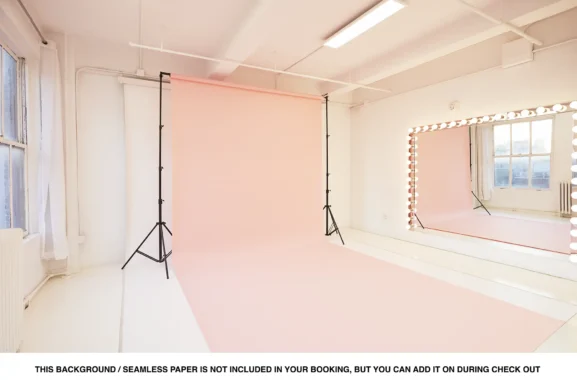
Studio photography takes place in a controlled indoor space where the photographer can manage lighting, backgrounds, camera placement, power access, temperature, privacy, and equipment setup. It can involve flash photography with monolights or strobes, continuous LED lighting for photo and video, softboxes, umbrellas, beauty dishes, reflectors, C-stands, seamless paper backdrops, and cyclorama walls. The purpose is to create a predictable work environment in which every image adheres to a consistent visual standard.
A professional photography studio can be a daylight loft, a blackout space, a portrait studio, a cyc wall studio, a product studio, a fashion showroom, or a video production space. This flexibility matters because a headshot photographer may need a soft backdrop and flattering light, while an e-commerce team may need accurate product color and repeatable camera angles. Love Studios NYC offers daylight studios, cyclorama options, studio lighting, backdrop choices, changing rooms, makeup areas, and equipment support for photo and video productions in Midtown Manhattan.
What Is Location Photography?
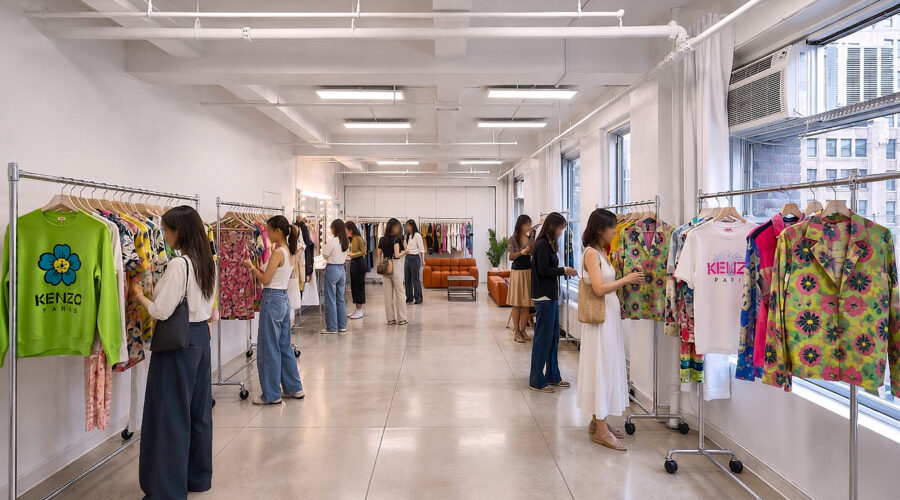
Location photography means shooting in a real environment rather than a dedicated studio. It can take place outside or indoors, depending on the story and subject. A location shoot may happen in an office, restaurant, hotel, retail store, client workplace, apartment, gym, showroom, warehouse, park, rooftop, street, or event venue. The environment becomes part of the image rather than simply a background.
Location photography is useful because it can show people, products, and brands in a believable setting. A chef photographed in a restaurant kitchen, a contractor photographed on a job site, or a founder photographed in their office gives the viewer more context than a plain studio backdrop. The trade-off is that the photographer has less control over weather, noise, background clutter, natural sunlight, power access, and the time needed to move gear.
How to Choose the Right Photography Environment
The best choice starts with the job the images need to do. Before booking a studio or confirming a location, review the creative brief, visual references, output requirements, budget, crew size, timeline, and client expectations. A beautiful space can still be the wrong space if it causes lighting problems, delays, poor sound, or inconsistent visuals.
Start With the Creative Brief
The first question should be: what should the finished images communicate? Product photography often needs clean detail and accurate color. Lifestyle photography may need natural movement, familiar surroundings, and emotional connection. Editorial photography may require mood, depth, and a setting that supports the story. Corporate photography may require a polished headshot for LinkedIn, along with workplace images that show the team in action.
Look at the final use of the images before choosing a location. E-commerce product images, product catalogue photography, professional headshots, beauty campaigns, and fashion lookbooks often benefit from a controlled studio environment. Brand photography, hospitality photography, environmental portraits, social media content, and commercial lifestyle campaigns may need a real setting to feel credible and useful.
Decide How Much Lighting Control You Need
Lighting is often the biggest difference between studio photography and location photography. In a studio, the photographer can place a key light, fill light, rim light, and background light exactly where needed. They can change strobe intensity, soften light with a large softbox, control contrast with flags, adjust color temperature, and create consistent exposure from one shot to the next.
On location, light may come from the sun, windows, room fixtures, storefront lighting, or nearby reflective surfaces. Natural sunlight can look beautiful, but it changes with cloud cover, time of day, weather, and the direction of the building. A portable lighting kit with battery-powered strobes, compact LED lights, reflectors, and diffusers can improve control, but it still takes more planning than working inside a studio. Use a studio when exact exposure, skin tone, product color, and repeatable lighting matter most.
Consider Background Control and Visual Storytelling
A studio gives you the ability to remove distractions. You can use a seamless white background, colored paper, fabric backdrop, cyc wall, clean wall, styled set, or simple prop arrangement. This is valuable for e-commerce product images, beauty photography, headshots, catalog work, and commercial images where the subject needs full attention.
A location gives you natural backgrounds, architectural details, furniture, windows, streets, parks, walls, plants, textures, and real-world depth. These elements can add visual storytelling and make a campaign feel more grounded. A location is often the better choice when the background helps explain the person, business, product, or service. The goal is not to choose the most attractive location; it is to choose a setting that adds meaning without distracting from the subject.
Compare Reliability, Weather, and Rescheduling Risk
Studio photography is usually safer for projects with firm deadlines. Indoor shooting protects the schedule from rain, snow, wind, heat, harsh sunlight, and sudden changes in weather. This matters for product launches, commercial campaigns, fashion shoots, client-attended sessions, and shoots involving expensive talent, products, or crew.
Location photography needs a backup plan. Weather can change quickly, direct sun can create harsh shadows, and a cloudy day can lower available light. Outdoor shoots may also face crowds, traffic, construction, access issues, and time limits. A location shoot can still run smoothly, but the schedule should include flexibility for scouting, setup, travel, and unexpected changes.
Think About Client Comfort, Privacy, and Crew Workflow
A studio gives photographers and clients a more controlled work area. It can provide privacy for wardrobe changes, makeup, hair styling, talent preparation, client viewing, and equipment setup. For beauty shoots, professional headshots, fashion campaigns, and commercial productions, these details can improve the day’s pace and help everyone stay focused.
Location shoots can be more difficult for larger teams because space may be limited. A client office, restaurant, retail shop, or apartment may not have enough room for lighting stands, softboxes, wardrobe racks, makeup artists, assistants, camera cases, and client seating. Before confirming a location, check access, restrooms, changing space, loading options, power outlets, background noise, and room for the production crew.
Compare Budget, Travel, and Production Costs
A studio is not always more expensive, and a location is not always cheaper. Studio costs can include hourly rental, lighting and grip rental, backdrops, cyc wall usage, props, assistants, setup time, and overtime. The benefit is that costs are easier to predict because the space, conditions, and equipment are planned in advance.
Location costs may include a location fee, parking, travel, permits, insurance, location scouting, equipment transport, portable power, weather backup, extra assistants, and additional editing time. A space that appears free can become expensive once the full production plan is included. Compare the total cost of the shoot, not just the hourly fee.
Think About Editing and Final Image Consistency
Studio photography usually creates a faster editing workflow because the camera angle, background, exposure, and color temperature can remain consistent. This is useful for product catalog photography, corporate portfolios, beauty campaigns, and large batches of e-commerce images. Consistent files make color grading, retouching, cropping, and delivery easier to manage.
Location photography can require more post-processing because of mixed lighting, changing sunlight, signs, people, parked cars, reflections, clutter, and different background colors. These images may still be worth the extra work because the final result can feel more personal and visually rich. The key is to plan enough editing time for the look you want to achieve.
Which Photography Environment Works Best by Shoot Type?
Different projects need different environments. The table below gives a practical starting point, but the creative brief should always guide the final choice.
| Shoot Type | Usually Best Choice | Why |
| Professional headshots | Studio or office location | Studio gives consistency; an office adds workplace context |
| Corporate headshots | Studio or client office | Depends on team size, brand style, and available space |
| E-commerce product images | Studio | Controlled lighting, accurate color, clean backgrounds, and repeatable shots |
| Product catalog photography | Studio | Easier to maintain the same angle, exposure, and backdrop |
| Fashion lookbooks | Studio or hybrid | Studio supports consistency; location adds campaign mood |
| Beauty and cosmetics campaigns | Studio | Soft light, controlled skin tone, and cleaner retouching workflow |
| Lifestyle brand shoots | Location or hybrid | A real setting supports visual storytelling |
| Editorial photography | Location or hybrid | Stronger mood, context, and visual variety |
| Real estate photography | Location | The actual property is the subject |
| Hospitality photography | Location | Hotels, restaurants, and venues need their real atmosphere shown |
| Social media content | Studio, location, or hybrid | Depends on the campaign style and content format |
| Video interviews | Studio or quiet interior location | Depends on sound, power, background, and access |
| Automotive photography | Location or hybrid | Studio for detail shots; location for scale, movement, and atmosphere |
Studio Setup vs Location Gear: What Changes?
The environment changes the type of gear you need, how quickly you can work, and how much support the crew requires. A studio setup often uses larger modifiers and more controlled equipment because there is less need to move everything. A location setup needs to stay portable, battery-aware, weather-aware, and easy to pack between scenes.
Essential Studio Photography Equipment
Studio photography can use a larger and more stable setup because equipment does not need to be carried far between locations. A basic studio kit may include a camera, portrait lens, standard zoom lens, studio strobes, continuous LED lights, softboxes, umbrella modifiers, beauty dish, reflectors, C-stands, light stands, flash triggers, sandbags, seamless paper backdrops, and a tethered computer for reviewing images on a larger screen.
For portraits and commercial photography, a three-light setup may include a key light for the main direction, a fill light or reflector for shadow control, and a rim light for subject separation. Product shoots may require diffusion panels, black flags, white cards, and precise light placement to control reflections. Studio gear gives photographers more creative control, but it also requires enough floor space and time for setup.
Essential Location Photography Gear
Location photography needs a compact, reliable setup that can adapt to changing conditions. A location kit may include a camera, versatile zoom lens, extra batteries, memory cards, tripod, reflectors, battery-powered strobe, compact LED light, portable softbox, sandbags, rain cover, gaffer tape, lightweight camera bag, and a simple changing kit for talent or wardrobe needs.
The goal is to carry enough gear to control the important parts of the image without slowing down the shoot. For a daylight location session, a reflector and portable flash may be enough. For a commercial campaign in a darker office, restaurant, or warehouse, the team may need more lights, stands, batteries, and assistants. Always check power availability, parking, stairs, elevators, and loading access before shoot day.
Can You Combine Studio and Location Photography?
A hybrid photography plan can give a brand the strongest mix of control and storytelling. Instead of forcing every image into one environment, use a studio for the assets that need consistency and a location for images that need context. This approach is especially useful for brands that need website images, ads, social content, product photos, campaign visuals, and video from the same project.
For example, a skincare brand can shoot clean product images and beauty portraits in a studio, then create lifestyle content in a home, hotel, or outdoor setting. A fashion brand can shoot a lookbook against a seamless backdrop, then move outside for editorial images with NYC architecture and street energy. A company can photograph executive headshots in a studio and capture workplace culture photos at its office. This gives the marketing team a wider range of useful assets without losing brand consistency.
Common Mistakes When Choosing a Studio or Location
The most common production problems usually happen before the camera is even turned on. A clear plan prevents last-minute changes, unexpected costs, unsuitable lighting, and a rushed shoot day.
Choosing Based Only on Hourly Price
A low studio rate or free-looking location can be misleading if you do not calculate the full production cost. A studio may include time savings, controlled lighting, clean backgrounds, power access, privacy, and equipment availability. A location may need travel, permits, parking, assistants, portable lights, weather backup, and more editing. Compare what the shoot needs from start to finish.
Booking a Studio That Is Too Small
A studio may look large in photos but still feel tight once you add full-body camera distance, light stands, softboxes, C-stands, wardrobe racks, makeup artists, client seating, props, and crew cases. Ask about room dimensions, ceiling height, windows, cyc wall size, elevators, changing area, and equipment access before booking. A space should fit the production plan, not just the subject.
Assuming Natural Light Will Stay the Same
Natural light changes throughout the day. Clouds, window direction, surrounding buildings, weather, and season can all affect the brightness and color of the scene. A location may look perfect during a scout but feel very different at the planned shooting time. Check the location at a similar time of day, or bring portable lighting to keep the subject properly exposed.
Skipping Location Scouting
A location scout helps you find problems before the crew arrives. Check for background clutter, street noise, reflections, power outlets, elevator access, parking, restrooms, weather cover, public traffic, camera angles, and nearby construction. It is much easier to solve these issues during a scout than during a paid shoot with talent and clients waiting.
Forgetting a Permit or Location Permission
Do not assume that every NYC location can be used for commercial photography without approval. Permit requirements can depend on the location, use of public property, equipment, crew size, exclusive use of space, and production activity. NYC’s Mayor’s Office of Media and Entertainment states that casual photographers generally do not need a permit, while certain on-location productions may require one. Check official guidance and confirm permission with the property owner before shoot day.
Ignoring a Backup Plan
Every location shoot should have a backup option. This could be a covered area, an alternate interior space, a rescheduled time, a portable lighting plan, or a studio reservation. A backup plan protects the project from rain, heavy wind, extreme heat, restricted access, or unexpected crowd activity.
Book a Photography Studio in Midtown Manhattan
If your project needs controlled lighting, clean backgrounds, a cyc wall, daylight windows, room for a production crew, or privacy for talent and clients, a professional studio can reduce risk and make the shoot easier to manage. Love Studios NYC offers multiple photo and video studio spaces in Manhattan, with daylight studios, cyc wall options, gear support, and spaces suited to portraits, fashion, e-commerce product photography, editorial shoots, and content creation.
Final Verdict
Studio photography is usually the better choice for control, consistent lighting, clean backgrounds, privacy, weather protection, product detail, and repeatable commercial results. Location photography is usually the better choice for lifestyle storytelling, environmental portraits, hospitality, architecture, travel, and campaigns where the setting adds value.
The right environment is the one that helps you create the images your client actually needs. Start with the creative brief, compare full production costs, plan for lighting and logistics, and choose the space that best supports the final result.